
Gum Disease Treatment – Chaska, MN
Restoring Your Oral & Overall Health
The most common disease in the United States is not what you may think. Heart disease, diabetes, or cancer might come to mind, but actually, gum disease is the single most prevalent disease in America. In fact, it affects more people than heart disease, diabetes, Alzheimer's, and cancer combined! About 80% of the adult population in the U.S. currently has some form of gum disease, also known as periodontal disease. Should you notice any swelling or bleeding around your gums before your next preventive dental exam, call us to schedule an appointment for gum disease treatment in our Chaska, MN, dental office.
Why Choose Chaska Dental Center for Gum Disease Treatment?
- Highly Advanced Diagnostic Technology
- Nitrous Oxide Sedation to Ensure Your Comfort
- Caring for Chaska Smiles Since 1946
What is Gum Disease?
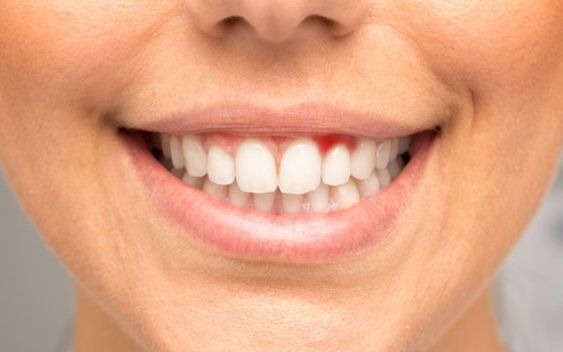
Gum disease is an infection of the gums and bone that support teeth, and it usually starts early in life and progresses as a person ages. It all starts when plaque hardens into tartar (also called calculus) below the gumline. This irritates the vulnerable soft tissues, and infection can quickly set in. When combined with decaying food particles lodged between the teeth and bacteria produced by plaque, the infection can spread quite quickly. Symptoms are so mild in the early phase that many patients don't recognize them: red, tender, swollen gums that bleed when brushing teeth.
As the condition progresses, the gums can recede from the teeth, and pockets of bacteria begin to form. The bacteria can eventually destroy gum tissue and bone, causing tooth and bone loss.
Why Is Gum Disease So Serious?

Recent research reveals that gum disease is linked to an increased risk for major overall health problems, including but not limited to stroke, heart disease, respiratory problems, osteoporosis, diabetes complications, low birth weight, and, most recently, dementia. Because of these findings, research continues. We may learn much more in the next few years.
It all makes perfect sense, though – gum disease is linked to overall health problems. Everything that enters or is present in the mouth has access to the whole body. The mouth is like a portal to the body, which is why regular checkups and hygiene visits are vital not only to your oral health but also to your overall health.
Symptoms of Gum Disease
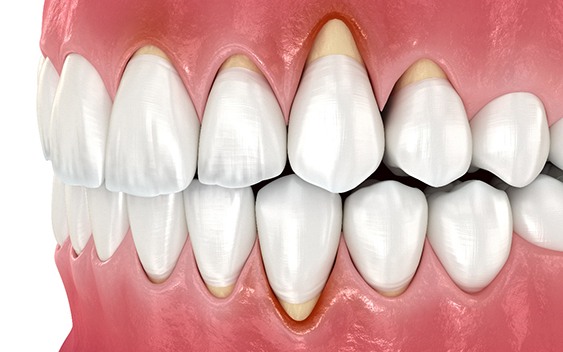
Being able to identify the early signs of gum disease minimizes your risk of developing periodontitis and more advanced cases that can lead to long-term effects. If you notice any of the symptoms listed below, do not wait to call our office to schedule an appointment with Dr. Swingdorf:
- Bleeding or swollen gums
- Red or tender gums
- Gum recession
- Bad breath or halitosis
- Loose permanent teeth
- A change in your bite
How Do We Treat Gum Disease?
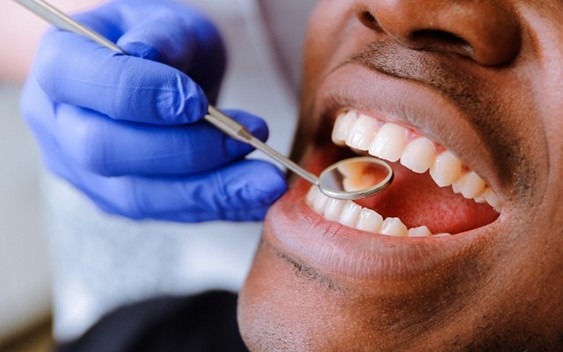
Unfortunately, gum disease is not curable. However, we can detect early warning signs of gum disease at your regular dental checkups. At this stage, management might be as simple as changing your brushing technique, improving your flossing routine, or upgrading the oral care products you use at home.
Once gum disease sets in, we can often treat it with non-surgical therapy, including:
- Scaling – to remove hardened plaque from below the gumline
- Root Planing – to reduce rough areas of teeth roots
- Antibiotic Therapy – to battle infection
Some advanced cases may require the care of a periodontist; in that case, we will refer you to a trusted colleague for oral surgery.
After any of these gum disease treatments in Chaska, expect to attend hygiene visits more frequently so that your dentist or hygienist can monitor your condition and ensure your recovery is on track.
Antibiotic Treatment

Antibiotic treatment is often used in combination with scaling and root planing. Dr. Swingdorf uses Arestin to reach pockets of bacteria that cannot be addressed with other solutions. Once applied to the gum pockets, the medication will gradually disperse and target the affected tissues. This will help eliminate any remaining bacteria so that proper healing can begin.
Halitosis (Bad Breath) Treatment
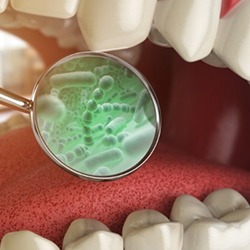
Chronic bad breath is a very common symptom of gum disease, and it can put quite a dent in your confidence as well! Halitosis is a condition that often can’t be handled with standard brushing and flossing, which is why we’re happy to offer a comprehensive system specifically designed to make your breath smell minty fresh. Thanks to this treatment, you’ll have one less thing to worry about during your next date, job interview, or special event!
Scaling and Root Planing
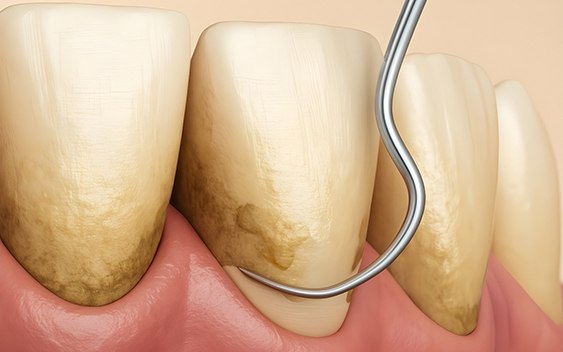
Scaling and root planing is a two-part process that targets plaque and tartar to improve oral health while reducing the potential for bacterial accumulation. We will start by removing hardened plaque and tartar from your teeth and around the gumline before moving to the tooth roots. There, we will smooth out and reshape the roots to prevent bacteria from adhering while allowing the gums to heal and reattach to your teeth.
Do I Need Scaling & Root Planing?
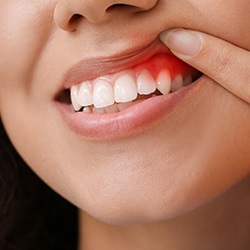
If Dr. Swingdorf catches gum disease in its earliest stage – gingivitis – it can often be treated with improved at-home oral hygiene habits and regular dental cleanings. However, if the bacterial accumulation continues to spread and remains untreated, scaling and root planing will be required. This is often necessary when you notice:
- Bleeding when brushing and flossing
- Red, tender gums
- Swollen gums
- Gum recession (teeth appearing longer than usual)
- Persistent bad breath
- A change in your bite
- Loose teeth
The Process of Scaling & Root Planing
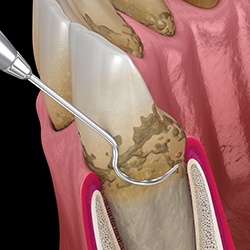
This two-part process begins with Dr. Swingdorf using specialized instruments to carefully remove hardened plaque and tartar from your teeth and around your gumline. He will move down into the gum pockets to ensure all buildup is removed.
After completing the first step, he will move on to root planing, which requires smoothing the roots of your teeth. This process reduces the risk of future buildup and infection. It also encourages gum reattachment and proper healing.
Aftercare Tips for Scaling & Root Planing

Immediately following your scaling and root planing treatment, you can expect your gums to be sore for several days. Your teeth might also be slightly sensitive. As your gums heal, you will need to stay on top of your oral hygiene routine to prevent reinfection.
Dr. Swingdorf will provide essential aftercare tips to help you maintain a healthy smile during this time and may prescribe a special mouthwash to encourage proper healing.
If necessary, you can take an over-the-counter pain reliever to reduce discomfort, but you should begin to notice an improvement within 1-2 weeks.
Hygiene, Rinses & Relationships
Regardless of the cause, bad breath (halitosis) is treatable, even if it is not associated with gum disease. First, establish effective oral hygiene, including regular professional cleanings, brushing twice daily, flossing each day, and tongue cleaning. Consistent tongue cleaning with a specially designed scraper will remove bacterial buildup 10 times more effectively than a toothbrush. If meticulous hygiene is insufficient to eliminate your bad breath, invest in a professional breath kit such as the CloSYSII (available at www.closys.com), which includes a specially formulated toothpaste, a chlorine-stabilized rinse that destroys odorous sulfur compounds for up to five hours, and a tongue scraper. Most people notice an immediate improvement.
If you need help getting rid of your bad breath, don’t worry; you’re far from alone. To schedule an appointment, contact us today.