
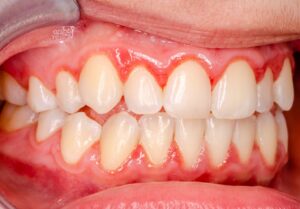
Have you noticed that your gums appear soft or spongy? Do they bleed when brushing or flossing? It could be scurvy, a condition that stems from nutritional deficiencies, or gum disease. Seeking treatment is essential to restore your oral health and prevent symptoms that can affect the rest of your body. Keep reading to learn what you can do if you notice these signs and how to prevent them in the future.
What Makes Gums Soft and Spongy?
Apart from the toll certain foods can take on your teeth, they can also impact your gums, which help hold your teeth in place. If you lack necessary nutrients in your diet, you may notice that your oral tissues look and feel soft and spongy. These symptoms are often associated with scurvy but can be treated by incorporating various vitamins into your daily routine.
Another common reason your gums look and feel the way they do is gum disease. When bacteria accumulate and attack these tissues, they can detach from your teeth, creating pockets and making it easier for plaque and tartar to reach the underlying bone over time.
What Should You Do to Address the Problem?
If you notice that your gums appear soft and red, and they bleed when cleaning your teeth, do not wait to schedule an appointment with your dentist. This often requires gum disease treatment to eliminate bacteria and restore oral health.
Depending on the severity of the infection, you may only need regular dental checkups and cleanings, plus improved at-home oral hygiene. However, you might also require scaling and root planning, along with antibiotic therapy, to address periodontitis.
How Can You Prevent These Issues?
If you have not experienced this type of gum issue, take steps now to prevent these problems in the first place. You can:
- Practice good oral hygiene at home by brushing twice daily for two minutes, using fluoride toothpaste, rinsing with a mouthwash designed to curb gingivitis, and flossing between teeth at least once a day.
- See your dentist for biannual checkups and cleanings.
- Avoid unhealthy foods and incorporate nutrient-rich options to lower your risk of gum disease.
- Avoid smoking and using tobacco products.
Treating your soft, spongy gums with professional care will help you enjoy a healthier smile in the long run, so don’t wait to call your dentist for an appointment.
About the Author
Dr. Aaron Swingdorf earned his dental degree from the University of Minnesota in 2011 and has been with Chaska Dental Center since 2014. Working closely with patients with red, bleeding gums, he and his team offer scaling and root planning, along with antibiotic therapy, to curb symptoms and improve oral and overall health. If you notice your gums appear soft and spongy, contact us at (952) 448-4151 or visit our website to schedule a consultation with Dr. Swingdorf today.
We used the following sources to generate this particular blog article, some of which include: